


Acids play a crucial role in the food industry, serving various functions from preservation to flavor enhancement. As a trusted acids supplier, we understand the importance of these compounds and their diverse applications in food production. In this blog post, we will explore some of the most commonly used acids in the food industry and their significance.
Citric Acid
Citric acid is one of the most widely used acids in the food industry. It is a natural acid found in citrus fruits such as lemons, limes, and oranges. Citric acid is used as a flavor enhancer, acidulant, and preservative. It has a tart, acidic taste that can add a refreshing flavor to beverages, candies, and other food products.
In addition to its flavor-enhancing properties, citric acid is also used as a preservative to prevent the growth of bacteria and fungi in food. It can also be used to adjust the pH level of food products, which can affect their texture, stability, and shelf life. Citric acid is commonly used in soft drinks, fruit juices, jams, jellies, and canned fruits and vegetables.
Acetic Acid
Acetic acid is another important acid used in the food industry. It is the main component of vinegar, which is a popular condiment and preservative. Acetic acid has a sharp, pungent taste and a strong odor. It is used as a flavor enhancer, acidulant, and preservative in a variety of food products.
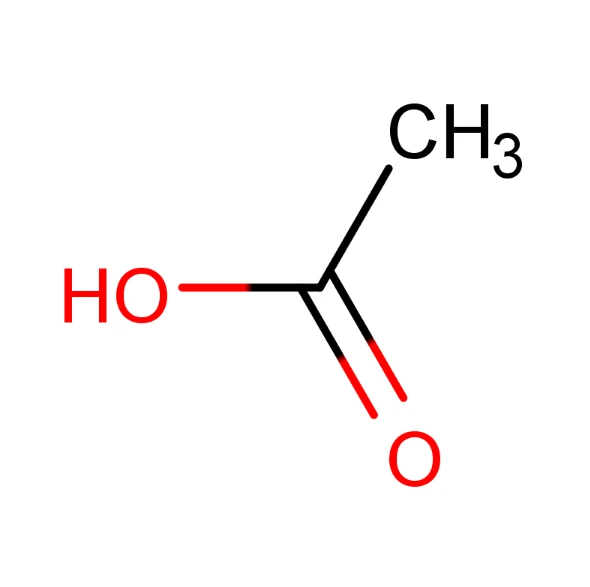

In addition to its use in vinegar, acetic acid is also used in the production of pickles, sauces, dressings, and marinades. It can also be used to control the growth of bacteria and fungi in food products. Acetic acid is commonly used in the food industry because it is relatively inexpensive, readily available, and has a long history of safe use. For more information about acetic acid, you can visit Acetic Acid CAS 64-19-7.
Lactic Acid
Lactic acid is a natural acid produced by the fermentation of carbohydrates by lactic acid bacteria. It is commonly found in dairy products such as yogurt, cheese, and sour cream. Lactic acid has a mild, tangy taste and is used as a flavor enhancer, acidulant, and preservative in the food industry.
In addition to its use in dairy products, lactic acid is also used in the production of baked goods, meat products, and beverages. It can be used to improve the texture, flavor, and shelf life of these products. Lactic acid is also used as a pH regulator in food products, which can help to prevent the growth of bacteria and fungi.
Malic Acid
Malic acid is a natural acid found in many fruits and vegetables, including apples, cherries, and grapes. It has a tart, acidic taste and is used as a flavor enhancer, acidulant, and preservative in the food industry. Malic acid is commonly used in the production of candies, beverages, and fruit-flavored products.
In addition to its flavor-enhancing properties, malic acid can also be used to adjust the pH level of food products, which can affect their texture, stability, and shelf life. It can also be used to prevent the growth of bacteria and fungi in food products. Malic acid is often used in combination with other acids, such as citric acid and tartaric acid, to achieve the desired flavor and acidity in food products.
Tartaric Acid
Tartaric acid is a natural acid found in grapes and other fruits. It has a tart, acidic taste and is used as a flavor enhancer, acidulant, and preservative in the food industry. Tartaric acid is commonly used in the production of wine, candies, and baked goods.
In addition to its use in the food industry, tartaric acid is also used in the pharmaceutical and cosmetic industries. It can be used as a pH regulator, emulsifier, and stabilizer in these products. Tartaric acid is often used in combination with other acids, such as citric acid and malic acid, to achieve the desired flavor and acidity in food products.
Myristic Acid
Myristic acid is a saturated fatty acid that is commonly used in the food industry as a flavor enhancer and emulsifier. It is found in many natural sources, including coconut oil, palm kernel oil, and nutmeg. Myristic acid has a slightly sweet, nutty flavor and is used to add a rich, creamy texture to food products.
In addition to its use in the food industry, myristic acid is also used in the cosmetic and pharmaceutical industries. It can be used as a lubricant, emulsifier, and stabilizer in these products. Myristic acid is a safe and effective ingredient that has been used in the food industry for many years. If you are interested in purchasing myristic acid, you can visit Safe Delivery Myristic Acid CAS 544-63-8.
Palmitic Acid
Palmitic acid is a saturated fatty acid that is commonly used in the food industry as a flavor enhancer and emulsifier. It is found in many natural sources, including palm oil, coconut oil, and animal fats. Palmitic acid has a mild, neutral flavor and is used to add a smooth, creamy texture to food products.
In addition to its use in the food industry, palmitic acid is also used in the cosmetic and pharmaceutical industries. It can be used as a lubricant, emulsifier, and stabilizer in these products. Palmitic acid is a safe and effective ingredient that has been used in the food industry for many years. If you are interested in purchasing palmitic acid, you can visit China Factory Supply 99% Palmitic Acid CAS 57-10-3.
Conclusion
Acids are essential ingredients in the food industry, serving a variety of functions from flavor enhancement to preservation. As a leading acids supplier, we offer a wide range of high-quality acids for the food industry. Our products are carefully selected and tested to ensure their safety and effectiveness.
If you are interested in purchasing acids for your food production needs, we invite you to contact us for more information. Our team of experts will be happy to assist you in selecting the right acids for your specific applications. We look forward to working with you to meet your food industry needs.
References
- Fennema, O. R. (1996). Food Chemistry (3rd ed.). Marcel Dekker.
- Heldman, D. R., & Lund, D. B. (Eds.). (2007). Handbook of Food Engineering (2nd ed.). CRC Press.
- Potter, N. N., & Hotchkiss, J. H. (1995). Food Science (5th ed.). Chapman & Hall.


