

Zhongda is a subsidiary of Henan Kangyuan Flavours Group Co., Ltd. It mainly deals in food additives, aroma chemicals, flavours, and pharmaceutical intermediates. Our products have got ISO, KOSHER, HALAL, FDA certificates, and are exported to more than 30 countries and regions including the United States, Italy, Spain, Singapore, Canada, Indonesia, South America, and Africa. The product quality is stable and the service is excellent, which has been recognized and satisfied by our customers.
Why Choose Us
Excellent Quality
Our for each process, we have strict inspection standards, and we always insist that quality is life.
Global Sales
North America, South America, Europe, Africa, Southeast Asia etc.
Our products have been exported to more than 30 countries. Our stable quality and good service get good reputation from our clients.
Efficient and Convenient
The company has established marketing networks around the world to provide high-quality services to customers in an efficient and convenient manner.
Our Certificates
Our products have got ISO, KOSHER, HALAL, FDA certificates.
-
![Hot Selling 99% 2-Methyl Butyric Acid CAS 116-53-0]() Hot Selling 99% 2-Methyl Butyric Acid CAS 116-53-02-Methyl butyric acid is a colorless, transparent liquid used in the preparation of flavorings for cheese, cream, chocolate, and other products.. . CAS No.: 116-53-0. Formula: C5H10O2. Samples: Free samples under 100gread more
Hot Selling 99% 2-Methyl Butyric Acid CAS 116-53-02-Methyl butyric acid is a colorless, transparent liquid used in the preparation of flavorings for cheese, cream, chocolate, and other products.. . CAS No.: 116-53-0. Formula: C5H10O2. Samples: Free samples under 100gread more -
![99% 2-Methyl Butyric Acid CAS 116-53-0]() 99% 2-Methyl Butyric Acid CAS 116-53-02-Methyl butyric acid is a colorless, transparent liquid used in the preparation of flavorings for cheese, cream, chocolate, and other products.. . CAS No.: 116-53-0. Formula: C5H10O2. Samples: Free samples under 100gread more
99% 2-Methyl Butyric Acid CAS 116-53-02-Methyl butyric acid is a colorless, transparent liquid used in the preparation of flavorings for cheese, cream, chocolate, and other products.. . CAS No.: 116-53-0. Formula: C5H10O2. Samples: Free samples under 100gread more -
![China Factory Supply 99% 2-Methyl Butyric Acid CAS 116-53-0]() China Factory Supply 99% 2-Methyl Butyric Acid CAS 116-53-02-Methyl butyric acid is a colorless, transparent liquid used in the preparation of flavorings for cheese, cream, chocolate, and other products.. . CAS No.: 116-53-0. Formula: C5H10O2. Samples: Free samples under 100gread more
China Factory Supply 99% 2-Methyl Butyric Acid CAS 116-53-02-Methyl butyric acid is a colorless, transparent liquid used in the preparation of flavorings for cheese, cream, chocolate, and other products.. . CAS No.: 116-53-0. Formula: C5H10O2. Samples: Free samples under 100gread more -
![Good Quality 99% 2-Methyl Butyric Acid CAS 116-53-0]() Good Quality 99% 2-Methyl Butyric Acid CAS 116-53-02-Methyl butyric acid is a colorless, transparent liquid used in the preparation of flavorings for cheese, cream, chocolate, and other products.. . CAS No.: 116-53-0. Formula: C5H10O2. Samples: Free samples under 100gread more
Good Quality 99% 2-Methyl Butyric Acid CAS 116-53-02-Methyl butyric acid is a colorless, transparent liquid used in the preparation of flavorings for cheese, cream, chocolate, and other products.. . CAS No.: 116-53-0. Formula: C5H10O2. Samples: Free samples under 100gread more -
![Levulinic Acid CAS 123-76-2]() Levulinic Acid CAS 123-76-2Levulinic acid is an organic compound, soluble in water and some organic solvents, but insoluble in gasoline, kerosene, turpentine and carbon tetrachloride.. . CAS No.: 123-76-2. Formula: C5H8O3. Samples: Free samples under 100gread more
Levulinic Acid CAS 123-76-2Levulinic acid is an organic compound, soluble in water and some organic solvents, but insoluble in gasoline, kerosene, turpentine and carbon tetrachloride.. . CAS No.: 123-76-2. Formula: C5H8O3. Samples: Free samples under 100gread more -
![Isononanoic Acid CAS 26896-18-4]() Isononanoic Acid CAS 26896-18-4Intermediates for paint and coating dryers, for the production of esters as lubricants and plasticizers, and for the production of peroxides as polymerization catalysts.. . CAS No.: 26896-18-4. Formula: C9H18O2. Samples: Free samples underread more
Isononanoic Acid CAS 26896-18-4Intermediates for paint and coating dryers, for the production of esters as lubricants and plasticizers, and for the production of peroxides as polymerization catalysts.. . CAS No.: 26896-18-4. Formula: C9H18O2. Samples: Free samples underread more -
![Ytic Acid CAS 83-86-3]() Ytic Acid CAS 83-86-3Phytic acid, also known as inositol hexaphosphate, cyclohexanol hexaphosphate, molecular formula C6H18O24P6, is an organophosphate compound extracted from plant seeds.. . CAS No.: 83-86-3. Formula: C6H18O26P6O. Samples: Free samples underread more
Ytic Acid CAS 83-86-3Phytic acid, also known as inositol hexaphosphate, cyclohexanol hexaphosphate, molecular formula C6H18O24P6, is an organophosphate compound extracted from plant seeds.. . CAS No.: 83-86-3. Formula: C6H18O26P6O. Samples: Free samples underread more -
![Lactic Acid CAS 50-21-5]() Lactic Acid CAS 50-21-5Lactic acid, a carboxylic acid with the chemical formula C3H6O3, contains a hydroxyl group and is an alpha-hydroxy acid (AHA). In aqueous solution, its carboxyl group releases a proton to produce the lactate ion CH3CH(OH)COO-.. . CAS No.:read more
Lactic Acid CAS 50-21-5Lactic acid, a carboxylic acid with the chemical formula C3H6O3, contains a hydroxyl group and is an alpha-hydroxy acid (AHA). In aqueous solution, its carboxyl group releases a proton to produce the lactate ion CH3CH(OH)COO-.. . CAS No.:read more -
![Succinic Acid CAS 110-15-6]() Succinic Acid CAS 110-15-6Succinic acid, also known as Amber Acid, is a dicarboxylic acid, colorless crystals, acidic taste, soluble in water, ethanol and ether, insoluble in chloroform, dichloromethane.. . CAS No.: 110-15-6. Formula: C4H6O4. Samples: Free samplesread more
Succinic Acid CAS 110-15-6Succinic acid, also known as Amber Acid, is a dicarboxylic acid, colorless crystals, acidic taste, soluble in water, ethanol and ether, insoluble in chloroform, dichloromethane.. . CAS No.: 110-15-6. Formula: C4H6O4. Samples: Free samplesread more -
![Palmitic Acid CAS 57-10-3]() Palmitic Acid CAS 57-10-3Palmitic Acid, is an organic substance, a saturated high fatty acid, white with pearlescent phosphorus flakes. Insoluble in water, slightly soluble in petroleum ether, soluble in ethanol. Used as precipitant, chemical reagent and waterread more
Palmitic Acid CAS 57-10-3Palmitic Acid, is an organic substance, a saturated high fatty acid, white with pearlescent phosphorus flakes. Insoluble in water, slightly soluble in petroleum ether, soluble in ethanol. Used as precipitant, chemical reagent and waterread more -
![Myristic Acid CAS 544-63-8]() Myristic Acid CAS 544-63-8Myristic acid, also known as tetradecanoic acid, is a saturated fatty acid in the form of a white to yellowish-white hard solid, occasionally a shiny crystalline solid, or a white to yellowish-white powder, odorless.. . CAS No.: 544-63-8.read more
Myristic Acid CAS 544-63-8Myristic acid, also known as tetradecanoic acid, is a saturated fatty acid in the form of a white to yellowish-white hard solid, occasionally a shiny crystalline solid, or a white to yellowish-white powder, odorless.. . CAS No.: 544-63-8.read more -
![Lauric Acid CAS 143-07-7]() Lauric Acid CAS 143-07-7Lauric acid, also known as dodecanoic acid, is a saturated fatty acid. Despite the name lauric acid, it accounts for only 1-3% of the lauric oil content. Vegetable oils found to be high in lauric acid include coconut oil 45-52%, oil palmread more
Lauric Acid CAS 143-07-7Lauric acid, also known as dodecanoic acid, is a saturated fatty acid. Despite the name lauric acid, it accounts for only 1-3% of the lauric oil content. Vegetable oils found to be high in lauric acid include coconut oil 45-52%, oil palmread more


Parameter
|
Density |
1.22 |
|
Melting point |
8°C |
|
Boiling point |
101°C |
|
Refractive index |
1.3701-1.3721 |
|
Flash point |
69ºC |
|
Vapour pressure |
KPa at 20°C: 4.6 |
|
PSA |
37.30000 |
|
logP |
0.33670 |
|
Viscosity |
1.607 mPas at 25 deg C |
|
Vapor Density |
1.03 (vs air) |
|
Appearance |
Colorless liquid with a pungent odor |
Formic Acid Characteristics
|
Parameter |
Range |
|
Formic Acid |
95% |
|
Color |
Transparent |
|
Specific Gravity |
1.20 at 20°C |
|
Vapor Pressure |
~24 hPa at 20°C (90%) |
|
Odor |
Pungent |
|
Freeze Point |
– 36°F (3.3°C) |
|
Boiling Point |
– 221 °F (105°C) |
Parameter
|
Item |
Specification |
|
Classification |
Isononanoic acid |
|
CAS No. |
26896-18-4 |
|
Other Names |
Isononanoic acid |
|
MF |
C9H18O2 |
|
EINECS No. |
248-092-3 |
|
Specific gravity (20/20C) |
0.897-0.903 |
|
Moisture |
≤0.10 |
|
Purity |
≥95.0% |
|
Acid value KOH mg/g |
≥337 |
|
Boiling Point |
225 |
Specification
|
Chemical Name |
Isononanoic acid |
|
Molecular Formula |
C9H18O2 |
|
Molecular Weight |
158.2 |
|
Appearance |
Clear transparent liquid |
|
Purity |
99% (min) |
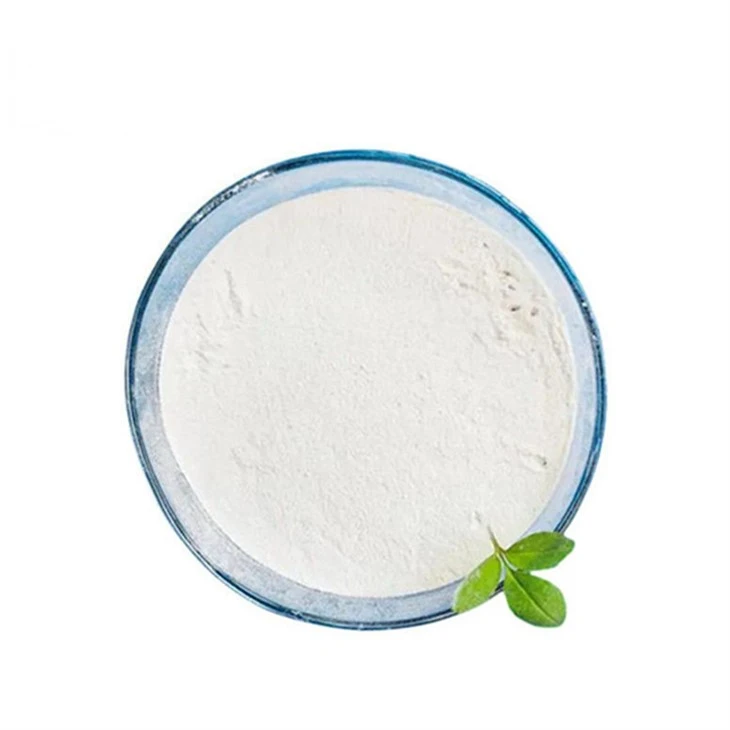
* Chemical industry: Formic acid is a vital reducing agent used in various chemical reactions, thanks to the formate ion (HCOO−) capable of donating hydrogen atoms and electrons, thereby reducing other molecules.
* Reduction of metal ions: It can decrease metal ions such as silver, gold, and platinum to their respective metal atoms, which is critical for creating metallic nanoparticles.
* Reduction of carbonyl compounds: It reduces carbonyl compounds, like aldehydes and ketones, for synthesizing alcohols. This process involves a nucleophilic addition of the formate ion (HCOO−) to the carbonyl group, succeeded by the protonation and reduction of the intermediate.
* Reduction of nitro compounds: It can lower nitro compounds like nitrobenzenes, nitroalkenes, etc., to their corresponding amines.
* Reduction of sulfur compounds: It can decrease sulfur compounds such as sulfides, sulfones, sulfoxides, and sulfides, converting them to their respective sulfurs.
* Dehalogenation reactions: Reductive dehalogenation can reduce halogenated compounds to matching hydrocarbons.
By reacting methyl formate with formamide
Upon the reaction of methanol and carbon monoxide in the presence of a strong base, methyl formate is formed. The chemical reaction to the above-mentioned method is given below
CH3OH + CO → HCO2CH3
The method is also used in industries, the reaction is performed under special conditions. Typical conditions for the feasible progress of the reaction are
* 80 °C temperature
* 40 atm pressure
* liquid phase
The most commonly used base in this process is sodium methoxide.
Hydrolysis of the obtained methyl formate gives our desired compound as the main product. Along with this we also get certain byproducts. The reaction of the hydrolysis goes as follows
HCO2CH3 + NH3 → HC(O)NH2 + CH3OH
2 HC(O)NH2 + 2H2O + H2SO4 → 2HCO2H + (NH4)2SO4

Advantages of Isononanoic Acid
Stability: Relatively stable at room temperature and pressure, does not readily decompose or degrade, good for storage and transportation.
Reactivity: The molecule contains carboxyl group (-COOH), which has strong reactivity and participates in a variety of chemical reactions, such as esterification and amidation.
Degradability: As organic compounds, they are degradable in the environment, with low impact on the environment, in line with the requirements of environmental protection.
Low production cost: Mature industrial preparation technology, low production cost, favorable for large-scale production and application.
Application of Isononanoic Acid
Pharmaceuticals
Isononanoic acid can be used as drug intermediates, such as the synthesis of plant growth regulators, antioxidants, iron absorption agents.
Polymer materials
Isononanoic acid and caprolactam (HMDA) reaction can be obtained polycaprolactam (Nylon6,10), used in the production of textiles, synthetic fibers, plastics and other polymer materials.
lubricant
Isononanoic acid can be used as an additive of lubricant, used in lubricating oil, ink and other fields, with good lubricating properties and thermal stability.
Plastic additives
Isononanoic acid can be used as an intermediate of plastic plasticizer, such as the raw material of biodegradable plastic.
Optical materials
Polyester prepared from isononanoic acid can be used for optical materials, such as optical fiber, optical instruments.
Dyes and pigments
Isononanoic acid can be used to produce dyes and pigments, such as synthetic toothpaste pigments.
Electronic materials
Isononanoic acid can be used in the preparation of electronic materials, such as the insulating layer of electronic devices, resistive materials.
Cosmetics
Isononanoic acid has the function of moisturizing, antioxidant, etc. It can be used in the formulation of cosmetics, such as creams and hair care products.
Sales Market
Our has a complete sales network which covers all major cities in China and are exported to Our products are exported to more than 30 countries and regions including the United States, Italy, Spain, Singapore, Canada, Indonesia, South America, Africa, etc. Our products have stable quality and excellent service, which has won the recognition and satisfaction of customers.

Packing and Shipment
Packaging method: Steel cylinders; Ampoules outside ordinary wooden crates; Glass bottles with threaded mouths, Glass bottles with iron lids and crimped mouths, Plastic bottles or metal drums (cans) outside ordinary wooden crates; Tanker trucks (filling factor of 0.626 tonnes/cubic metre).


We usually supply standard samples or pre-shipment samples to customers before shipment.
We will do our best to deliver cargo to customers as soon as possible after order confirmed.
If there is any problem with the goods received by customers, we can provide exchange or return services.
FAQ
As one of the leading acids manufacturers and suppliers in China, we warmly welcome you to to buy high-grade acids from our factory. All chemicals are with high quality and competitive price.
acids for traditional retailing, acids for consumer goods, acids for team building-
![Hot Selling Methyl Dihydrojasmonate CAS 24851-98-7]() Hot Selling Methyl Dihydrojasmonate CAS 24851-98-7Methyl dihydrojasmonate is a fragrance component possessing a jasmine-like aroma, frequently employed in numerousread more
Hot Selling Methyl Dihydrojasmonate CAS 24851-98-7Methyl dihydrojasmonate is a fragrance component possessing a jasmine-like aroma, frequently employed in numerousread more -
![Methyl Dihydrojasmonate CAS 24851-98-7]() Methyl Dihydrojasmonate CAS 24851-98-7Methyl dihydrojasmonate is a fragrance component possessing a jasmine-like aroma, frequently employed in numerousread more
Methyl Dihydrojasmonate CAS 24851-98-7Methyl dihydrojasmonate is a fragrance component possessing a jasmine-like aroma, frequently employed in numerousread more -
![China Factory Supply Methyl Dihydrojasmonate CAS 24851-98-7]() China Factory Supply Methyl Dihydrojasmonate CAS 24851-98-7Methyl dihydrojasmonate is a fragrance component possessing a jasmine-like aroma, frequently employed in numerousread more
China Factory Supply Methyl Dihydrojasmonate CAS 24851-98-7Methyl dihydrojasmonate is a fragrance component possessing a jasmine-like aroma, frequently employed in numerousread more -
![Good Quality Methyl Dihydrojasmonate CAS 24851-98-7]() Good Quality Methyl Dihydrojasmonate CAS 24851-98-7Methyl dihydrojasmonate is a fragrance component possessing a jasmine-like aroma, frequently employed in numerousread more
Good Quality Methyl Dihydrojasmonate CAS 24851-98-7Methyl dihydrojasmonate is a fragrance component possessing a jasmine-like aroma, frequently employed in numerousread more -
![Methylparaben CAS 99-76-3]() Methylparaben CAS 99-76-3Methylparaben is a white crystalline powder or colourless crystals, readily soluble in alcohol, ether and acetone,read more
Methylparaben CAS 99-76-3Methylparaben is a white crystalline powder or colourless crystals, readily soluble in alcohol, ether and acetone,read more -
![Manufacturer Supply 99% Methylparaben CAS 99-76-3]() Manufacturer Supply 99% Methylparaben CAS 99-76-3Methylparaben is a white crystalline powder or colourless crystals, readily soluble in alcohol, ether and acetone,read more
Manufacturer Supply 99% Methylparaben CAS 99-76-3Methylparaben is a white crystalline powder or colourless crystals, readily soluble in alcohol, ether and acetone,read more


