


Hey there! As a supplier of 2 - Propanol, I've been getting a lot of questions lately about its effects on soil. So, I thought I'd sit down and write this blog to share what I know.
First off, let's talk a bit about 2 - Propanol. It's also known as isopropyl alcohol, and it's a common solvent used in a whole bunch of industries. You'll find it in cleaning products, pharmaceuticals, and even in some types of fuels. But what happens when it gets into the soil?
Physical Effects on Soil
One of the first things 2 - Propanol can do to soil is change its physical properties. Soil has a certain structure that's made up of different-sized particles like sand, silt, and clay. When 2 - Propanol seeps into the soil, it can affect how these particles interact with each other.
For example, 2 - Propanol is a relatively small molecule that can easily penetrate the spaces between soil particles. This can disrupt the normal pore structure of the soil. The pores in soil are super important because they allow air and water to move through. If 2 - Propanol fills up these pores, it can reduce the amount of oxygen available to plant roots and soil organisms. This can lead to a decrease in the soil's ability to support healthy plant growth.
Another physical effect is on soil aggregation. Soil aggregates are groups of soil particles that stick together. They help to improve soil structure and stability. 2 - Propanol can break down these aggregates, making the soil more prone to erosion. When the soil is more easily eroded, it can lead to sedimentation in nearby water bodies, which can have a negative impact on aquatic ecosystems.
Chemical Effects on Soil
Chemically, 2 - Propanol can have some significant impacts on soil. It can react with certain soil components, especially those that are rich in organic matter. Organic matter in soil is like a sponge for nutrients and water, and it also provides a home for many soil organisms.
When 2 - Propanol comes into contact with organic matter, it can cause changes in the chemical composition of the soil. It can break down some of the complex organic compounds into simpler ones. This might sound like a good thing at first, but it can actually disrupt the delicate balance of nutrients in the soil. For example, some of the nutrients that are bound up in the organic matter might be released too quickly, leading to nutrient leaching. Nutrient leaching means that the nutrients are washed out of the soil and are no longer available for plants to use.
2 - Propanol can also affect the pH of the soil. The pH of soil is a measure of how acidic or alkaline it is, and it plays a crucial role in determining which plants can grow in the soil and how well soil organisms can survive. Depending on the concentration of 2 - Propanol and the type of soil, it can either increase or decrease the soil's pH. A significant change in pH can make it difficult for plants to take up nutrients from the soil, even if those nutrients are present.
Biological Effects on Soil
The biological effects of 2 - Propanol on soil are perhaps the most concerning. Soil is teeming with life, from bacteria and fungi to earthworms and insects. These organisms play vital roles in processes like decomposition, nutrient cycling, and soil formation.
2 - Propanol can be toxic to many soil organisms. Bacteria and fungi, which are essential for breaking down organic matter and releasing nutrients, can be killed or their growth can be inhibited by 2 - Propanol. For example, some studies have shown that high concentrations of 2 - Propanol can reduce the activity of soil enzymes, which are produced by these microorganisms. Enzymes are like the workers in the soil, helping to carry out important chemical reactions.
Earthworms and other soil invertebrates can also be affected. Earthworms are known as “ecosystem engineers” because they help to mix and aerate the soil. When 2 - Propanol is present in the soil, it can make the environment inhospitable for earthworms, leading to a decrease in their population. This can have a cascading effect on the soil ecosystem, as the lack of earthworm activity can further degrade the soil structure.
Mitigating the Effects
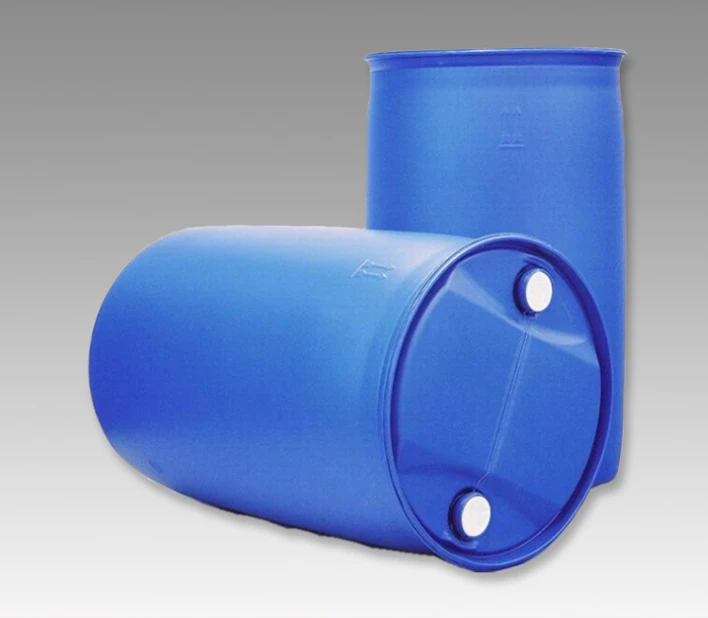
If you're worried about the effects of 2 - Propanol on soil, there are some steps that can be taken to mitigate these impacts. One approach is to limit the amount of 2 - Propanol that enters the soil in the first place. This can be done by proper handling and storage of 2 - Propanol products. For example, using leak - proof containers and ensuring that spills are cleaned up quickly.
If 2 - Propanol has already contaminated the soil, there are some remediation techniques that can be used. One common method is bioremediation, which involves using microorganisms to break down the 2 - Propanol into less harmful substances. Another option is soil washing, where the contaminated soil is treated with water or other solvents to remove the 2 - Propanol.
Our Products and Related Links
As a 2 - Propanol supplier, we're committed to providing high - quality products and ensuring that our customers are aware of the proper use and potential impacts of our products. In addition to 2 - Propanol, we also offer other high - quality alcohol products. You can check out our High Quality 99% Pentanol CAS 71 - 41 - 0, 99% 1 - Hexanol CAS 111 - 27 - 3, and 99% 1 - Tetradecanol CAS 112 - 72 - 1. These products have a wide range of applications in different industries.
Contact Us for Purchasing
If you're interested in purchasing 2 - Propanol or any of our other products, we'd love to hear from you. Whether you have questions about the products, their applications, or the potential impacts on soil, our team of experts is here to help. We can work with you to ensure that you're using our products in a safe and responsible way. So, don't hesitate to reach out and start a conversation about your procurement needs.

References
- Brady, N. C., & Weil, R. R. (2008). The nature and properties of soils. Pearson Prentice Hall.
- Alexander, M. (1999). Biodegradation and bioremediation. Academic Press.
- Pignatello, J. J., & Xing, B. (1996). Mechanisms of slow sorption of organic chemicals to natural particles. Environmental Science & Technology, 30(2), 1–11.


