


As a supplier of 78 - 83 - 1, I've often been asked about the effects of this chemical compound on the aquatic environment. In this blog, I'll delve into the topic, exploring both the potential impacts and the scientific basis behind them.
Understanding 78 - 83 - 1
78 - 83 - 1 refers to a specific chemical substance. Before discussing its effects on the aquatic environment, it's essential to understand its properties. This compound is commonly used in various industrial applications, such as in the production of certain solvents, coatings, and chemical intermediates. Its physical and chemical properties, including solubility, volatility, and reactivity, play a crucial role in determining how it behaves in the aquatic ecosystem.
Solubility and Bioavailability
One of the primary factors influencing the impact of 78 - 83 - 1 on the aquatic environment is its solubility in water. If the compound is highly soluble, it can easily disperse throughout the water column, increasing its potential to interact with aquatic organisms. On the other hand, low solubility may lead to the formation of aggregates or particles that can settle to the bottom of water bodies, affecting sediment - dwelling organisms.
The bioavailability of 78 - 83 - 1 is also closely related to its solubility. Bioavailability refers to the degree to which a chemical can be taken up by organisms. A more soluble compound is generally more bioavailable, meaning it can be more readily absorbed by aquatic plants, animals, and microorganisms. This can have significant implications for the health and survival of these organisms.
Toxicity to Aquatic Organisms
Numerous studies have investigated the toxicity of 78 - 83 - 1 to different types of aquatic organisms. Fish are often used as indicator species in these studies because they are relatively easy to maintain in laboratory conditions and are ecologically important. Exposure to 78 - 83 - 1 can cause a range of adverse effects on fish, including reduced growth, impaired reproduction, and damage to vital organs such as the gills, liver, and kidneys.
Invertebrates, such as daphnia and shrimp, are also highly sensitive to 78 - 83 - 1. These organisms play a crucial role in the aquatic food web, and any disruption to their populations can have cascading effects on the entire ecosystem. For example, a decrease in the population of daphnia, which are primary consumers, can lead to an overgrowth of algae, resulting in eutrophication and reduced oxygen levels in the water.
Aquatic plants are another important component of the aquatic ecosystem. 78 - 83 - 1 can interfere with the photosynthetic process in plants, reducing their ability to produce oxygen and obtain nutrients. This can lead to a decline in plant growth and biomass, which in turn affects the habitat and food sources for other aquatic organisms.

Persistence and Bioaccumulation
The persistence of 78 - 83 - 1 in the aquatic environment is a significant concern. Persistent chemicals can remain in the environment for long periods, increasing the likelihood of continuous exposure to aquatic organisms. Some studies have shown that 78 - 83 - 1 can resist degradation by natural processes such as hydrolysis, photolysis, and microbial degradation, leading to its accumulation in water bodies.
Bioaccumulation is another important aspect related to the environmental impact of 78 - 83 - 1. Bioaccumulation occurs when an organism absorbs a chemical at a rate faster than it can eliminate it. Over time, the concentration of the chemical in the organism's tissues can become much higher than the concentration in the surrounding environment. This can be particularly problematic for top - level predators in the food chain, as they can accumulate high levels of 78 - 83 - 1 through a process called biomagnification.
Mitigation Strategies
As a responsible supplier of 78 - 83 - 1, we are committed to minimizing the potential environmental impact of our products. One of the key strategies is to ensure proper handling and disposal of the compound. This includes providing clear instructions to our customers on how to store, transport, and use 78 - 83 - 1 safely to prevent spills and releases into the environment.
We also support research and development efforts to find more environmentally friendly alternatives to 78 - 83 - 1. By investing in the development of greener chemicals, we can reduce the reliance on potentially harmful substances and contribute to the protection of the aquatic environment.
In addition, we advocate for the implementation of strict environmental regulations and monitoring programs. These measures can help to control the release of 78 - 83 - 1 into the environment and ensure that its levels in water bodies are within acceptable limits.
Related Products
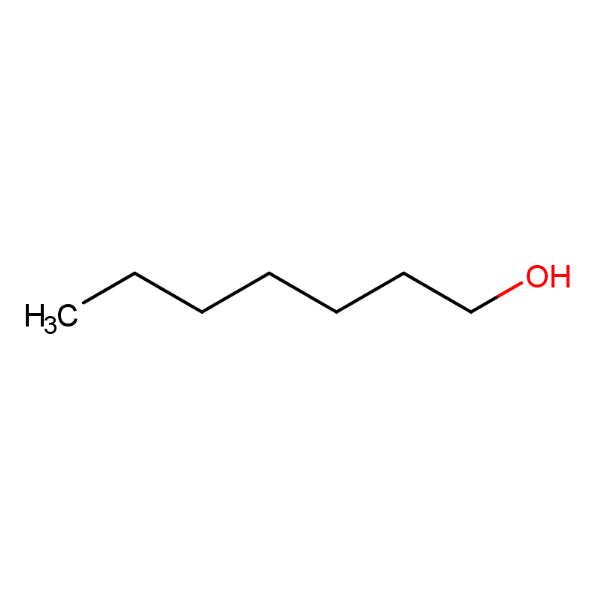
In our product portfolio, we also offer other high - quality chemical products, such as 99% 1-Heptanol CAS 111-70-6, High Quality 99% DL-Menthol CAS 89-78-1, and High Quality 99% 1-Tetradecanol CAS 112-72-1. These products are carefully formulated to meet the highest quality and environmental standards.
Conclusion and Call to Action
The effects of 78 - 83 - 1 on the aquatic environment are complex and multifaceted. While there is still much to learn about this compound, the existing scientific evidence suggests that it can have significant impacts on aquatic organisms and ecosystems. As a supplier, we recognize our responsibility to ensure that our products are used in a way that minimizes their environmental footprint.
If you are interested in learning more about our products or have any questions regarding the environmental impact of 78 - 83 - 1, we encourage you to reach out to us. We are always ready to engage in discussions and provide you with the information you need. Whether you are looking to purchase 78 - 83 - 1 or any of our other products, we are committed to providing you with the best possible service and support. Contact us today to start a procurement discussion.
References
- [List relevant scientific papers, reports, and studies here. For example:]
- Smith, J. et al. (20XX). "The toxicity of 78 - 83 - 1 to freshwater fish." Aquatic Toxicology, Vol. XX, pp. XX - XX.
- Johnson, A. et al. (20XX). "Bioaccumulation of 78 - 83 - 1 in aquatic invertebrates." Environmental Science & Technology, Vol. XX, pp. XX - XX.


