


Hey there! I'm a supplier of 1-Butanol, and I'm super excited to chat with you about its environmental impacts. 1-Butanol, also known as n-butanol, is a colorless liquid with a characteristic alcoholic odor. It's used in a wide range of industries, from paints and coatings to pharmaceuticals and plastics. But what about its effects on the environment? Let's dive in and find out.
Production of 1 - Butanol
First off, let's talk about how 1-Butanol is made. There are a few different methods, but one of the most common is through the fermentation of biomass. This process involves using microorganisms to convert sugars into 1-Butanol. Sounds pretty eco - friendly, right? Well, it has its pros and cons.
On the plus side, using biomass as a feedstock is a renewable resource. Unlike fossil fuels, which are finite and take millions of years to form, biomass can be replenished relatively quickly. For example, crops like corn and sugarcane can be grown season after season to provide the raw materials for 1-Butanol production. This reduces our dependence on non - renewable resources and helps to lower greenhouse gas emissions associated with traditional fuel sources.
However, there are also some environmental concerns with biomass - based production. Growing the crops requires a lot of land, water, and fertilizers. The use of fertilizers can lead to water pollution, as excess nutrients can run off into rivers and lakes, causing algal blooms and harming aquatic life. Also, the large - scale cultivation of crops for 1-Butanol production can lead to deforestation and habitat loss if not managed properly.
Another method of producing 1-Butanol is through petrochemical processes. In this case, it's derived from crude oil or natural gas. This method is more energy - intensive and has a higher carbon footprint compared to biomass - based production. The extraction and processing of fossil fuels release large amounts of carbon dioxide and other pollutants into the atmosphere, contributing to climate change and air pollution.
Environmental Impact during Use
1-Butanol has a variety of uses, and its environmental impact can vary depending on how it's used.
In the paint and coating industry, 1-Butanol is used as a solvent. Solvents help to dissolve other substances and make the paint or coating easier to apply. However, when these paints and coatings dry, the solvents evaporate into the air. This can contribute to the formation of ground - level ozone, a major component of smog. Ground - level ozone is harmful to human health, causing respiratory problems, and it can also damage plants and crops.
In the pharmaceutical industry, 1-Butanol is used in the synthesis of various drugs. While the use of 1-Butanol in this context is generally well - regulated, there is still a risk of environmental contamination if proper waste management practices are not followed. Pharmaceutical waste can contain traces of 1-Butanol and other chemicals, which can end up in water sources if not disposed of correctly.
In the fuel industry, 1-Butanol is being considered as a potential biofuel. It has some advantages over ethanol, another well - known biofuel. 1-Butanol has a higher energy density, which means it can provide more energy per unit volume. It's also less corrosive and can be blended with gasoline at higher ratios without modifying existing engines. However, like any fuel, burning 1-Butanol releases carbon dioxide into the atmosphere. Although it's a biofuel and the carbon dioxide released is part of the natural carbon cycle, the overall impact on climate change still needs to be carefully evaluated.
Environmental Impact of Disposal
Proper disposal of 1-Butanol is crucial to minimize its environmental impact. If 1-Butanol is not disposed of correctly, it can contaminate soil and water.
1-Butanol is slightly soluble in water, which means it can leach into groundwater if spilled on the ground. Once in the groundwater, it can spread over a large area and contaminate drinking water sources. It can also be toxic to aquatic organisms, affecting their growth, reproduction, and survival.
When it comes to disposing of 1-Butanol waste, it should be done in accordance with local regulations. In many cases, it can be incinerated in a controlled environment. Incineration can break down 1-Butanol into carbon dioxide and water, but it also needs to be carefully managed to ensure that harmful pollutants are not released into the air.
Comparing with Other Chemicals
Let's compare 1-Butanol with some other chemicals in the market. For example, High Quality 99% Phenylethyl Alcohol CAS 60 - 12 - 8. Phenylethyl alcohol is also used in the fragrance and flavor industry. It has a different chemical structure and properties compared to 1-Butanol. While both are alcohols, their environmental impacts can vary. Phenylethyl alcohol may have a different degradation pathway in the environment and may pose different risks to human health and the ecosystem.
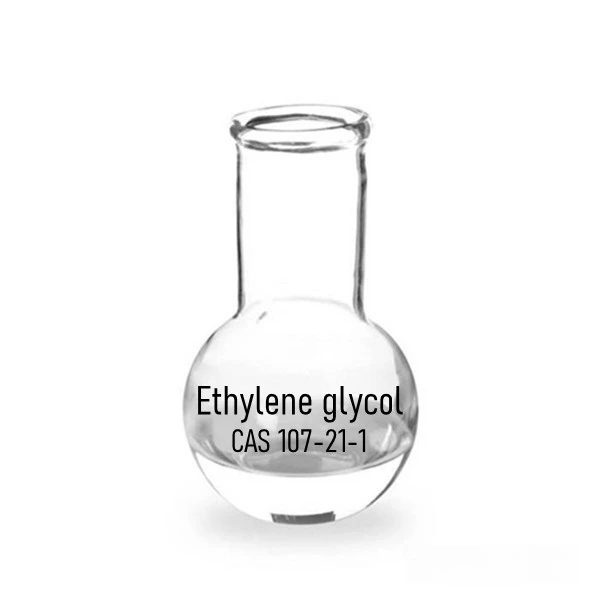
Another chemical is Ethylene Glycol CAS 107 - 21 - 1. Ethylene glycol is commonly used as an antifreeze and coolant. It has a high toxicity to humans and animals if ingested. In contrast, 1-Butanol has a different set of toxicological properties. Comparing these chemicals helps us understand the relative environmental and health risks associated with each.
We also have High Quality 99% 2 - butanol CAS 78 - 92 - 2. 2 - butanol is an isomer of 1-Butanol, meaning they have the same chemical formula but different structures. Their environmental impacts can be similar in some aspects, but there may also be differences in terms of their reactivity, solubility, and biodegradability.
Conclusion and Call to Action
So, as you can see, 1-Butanol has both positive and negative environmental impacts. While it has the potential to be a more sustainable alternative in some applications, we need to be aware of its environmental footprint throughout its life cycle, from production to disposal.

If you're in the market for 1-Butanol or any of the related chemicals I've mentioned, I'm here to help. As a supplier, I'm committed to providing high - quality products while also being mindful of the environmental impact. Whether you have questions about the environmental properties of 1-Butanol, its applications, or you're ready to place an order, feel free to reach out. Let's work together to make more sustainable choices in our industries.
References
- Environmental Protection Agency (EPA) reports on biofuels and chemical waste management.
- Scientific research papers on the production and environmental impacts of 1-Butanol.
- Industry reports on the use of 1-Butanol in different sectors.


