


C5H12O represents a group of isomeric organic compounds, primarily alcohols and ethers. These compounds have a wide range of applications in various industries, including the fragrance, flavor, and chemical manufacturing sectors. As a leading supplier of C5H12O, I am often asked about the flammability properties of these substances. In this blog post, I will delve into the details of the flammability characteristics of C5H12O, providing valuable insights for those involved in handling, storing, and using these compounds.
Understanding the Structure of C5H12O
C5H12O can exist in several isomeric forms, each with its own unique physical and chemical properties. The most common isomers include pentanols (alcohols) and ethers. Pentanols have a hydroxyl (-OH) group attached to a five-carbon chain, while ethers have an oxygen atom connected to two alkyl groups. The structure of these compounds plays a crucial role in determining their flammability.
Flammability of Pentanols
Pentanols are aliphatic alcohols with the general formula C5H11OH. They are flammable liquids with relatively low boiling points and high vapor pressures. The flammability of pentanols is mainly due to the presence of the hydroxyl group, which can undergo oxidation reactions with oxygen in the air. The heat released during these reactions can initiate and sustain combustion.
The flammability limits of pentanols are typically expressed as the minimum and maximum concentrations of the vapor in air that can support combustion. The lower flammability limit (LFL) and the upper flammability limit (UFL) vary depending on the specific isomer of pentanol. For example, the LFL of 1-pentanol is approximately 1.2% by volume in air, while the UFL is around 10.4%. This means that if the concentration of 1-pentanol vapor in air is between 1.2% and 10.4%, a flammable mixture is formed, and ignition can occur if an ignition source is present.
The flash point is another important parameter that indicates the flammability of a liquid. It is defined as the lowest temperature at which a liquid can produce enough vapor to form a flammable mixture with air near its surface. The flash points of pentanols are relatively low, ranging from around 33°C to 55°C, depending on the isomer. This means that pentanols can easily form flammable vapors at normal ambient temperatures, posing a significant fire hazard.
Flammability of Ethers
Ethers with the formula C5H12O are also flammable substances. Ethers are highly volatile and have low boiling points, which makes them prone to forming flammable vapors. The flammability of ethers is mainly due to the presence of the oxygen atom in the molecule, which can participate in oxidation reactions.
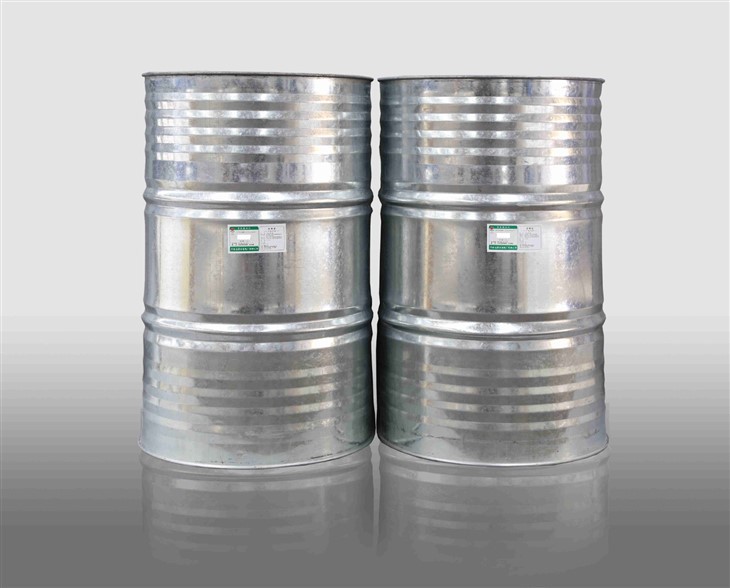

Similar to pentanols, ethers have specific flammability limits. For example, the LFL of diethyl ether (a common ether with a similar carbon chain length) is approximately 1.9% by volume in air, and the UFL is around 36%. The flash point of diethyl ether is extremely low, at around -45°C, which means that it can form flammable vapors even at very low temperatures.
Factors Affecting Flammability
Several factors can affect the flammability of C5H12O compounds. These include:
- Temperature: As the temperature increases, the vapor pressure of the liquid also increases, leading to a higher concentration of vapor in the air. This can increase the likelihood of forming a flammable mixture.
- Oxygen Concentration: The presence of oxygen is essential for combustion. Higher oxygen concentrations in the air can increase the flammability of C5H12O compounds.
- Ignition Source: The presence of an ignition source, such as a spark, flame, or hot surface, is necessary to initiate combustion. The energy required to ignite a flammable mixture depends on the specific compound and its flammability characteristics.
- Ventilation: Adequate ventilation can help to reduce the concentration of flammable vapors in the air, minimizing the risk of fire. Poor ventilation can lead to the accumulation of vapors, increasing the likelihood of a fire or explosion.
Safety Precautions
Given the flammable nature of C5H12O compounds, it is essential to take appropriate safety precautions when handling, storing, and using them. Some recommended safety measures include:
- Storage: Store C5H12O compounds in approved flammable liquid storage cabinets or areas. Keep the containers tightly closed to prevent the release of vapors.
- Handling: Use proper handling equipment, such as approved containers, pumps, and hoses, to transfer C5H12O compounds. Avoid spills and splashes, and clean up any spills immediately using appropriate absorbent materials.
- Ventilation: Ensure that the work area is well-ventilated to prevent the accumulation of flammable vapors. Use local exhaust ventilation systems if necessary.
- Fire Prevention: Keep ignition sources away from C5H12O compounds. Use explosion-proof electrical equipment and tools in areas where flammable vapors may be present. Install fire suppression systems, such as sprinklers or fire extinguishers, in the storage and handling areas.
- Personal Protective Equipment (PPE): Wear appropriate PPE, such as gloves, goggles, and flame-resistant clothing, when handling C5H12O compounds. Ensure that the PPE is in good condition and is worn correctly.
Our Supplier Services
As a trusted supplier of C5H12O, we are committed to providing high-quality products and ensuring the safety of our customers. We offer a wide range of C5H12O isomers, including various pentanols and ethers, with strict quality control measures to meet the diverse needs of different industries.
In addition to our high-quality products, we also provide comprehensive technical support and safety information to our customers. Our team of experts can assist you in understanding the flammability properties of C5H12O and help you develop appropriate safety protocols for handling and using these compounds.
We also offer safe and reliable delivery services. You can check out our Safe Delivery 99% Gamma-Valerolactone CAS 108-29-2 With Accept Sample Order, Manufacturer Supply 99% Fraistone CAS 6290-17-1, and China Factory Supply 99% N-Butanol CAS 71-36-3 for more details on our product offerings.
If you are interested in purchasing C5H12O or have any questions about our products and services, please feel free to contact us. We are ready to discuss your specific requirements and provide you with the best solutions.
References
- Bretherick, L. (2013). Bretherick's Handbook of Reactive Chemical Hazards. Elsevier.
- NFPA (National Fire Protection Association). (2019). Flammable and Combustible Liquids Code. NFPA 30.
- Lewis, R. J. Sr. (Ed.). (2016). Sax's Dangerous Properties of Industrial Materials. Wiley.


