


Yo! I'm an actual person in the business of supplying 1 - Propanol. Today, I wanna chat about the cool uses of 1 - Propanol in the bio - insect repellents industry.
First off, let's get to know 1 - Propanol a bit. It's a colorless, flammable liquid with a mild odor. Chemically, it's got the formula C₃H₈O. And it's pretty handy in a bunch of industries, but the bio - insect repellents field has really started to take notice.
One major use of 1 - Propanol in bio - insect repellents is as a solvent. You see, many of the active ingredients in these repellents are solids or thick liquids. They need to be dissolved into a form that can be easily sprayed or applied. That's where 1 - Propanol steps in. It can dissolve a wide range of natural and synthetic insect - repelling compounds. For example, essential oils like citronella, eucalyptus, and lemongrass are well - known for their insect - repelling properties. 1 - Propanol can dissolve these oils, allowing them to be evenly distributed in the repellent solution. This ensures that when you spray the repellent on your skin or clothes, the active ingredients are spread out effectively, giving you better protection against insects.
Another important role is in the formulation of the repellent's consistency. 1 - Propanol helps to adjust the viscosity of the bio - insect repellent. If the repellent is too thick, it won't spray well and might leave a sticky residue on your skin. On the other hand, if it's too thin, it might evaporate too quickly and not provide long - lasting protection. By adding 1 - Propanol, manufacturers can fine - tune the thickness of the repellent to get that perfect balance. It makes the repellent easy to apply, whether it's in a spray bottle or a roll - on container.
1 - Propanol also has some inherent properties that make it useful in bio - insect repellents. It has a relatively low boiling point, which means it evaporates at a moderate rate. When the repellent is applied, the 1 - Propanol starts to evaporate, carrying the active insect - repelling ingredients with it. This creates a vapor barrier around you that insects find unappealing. And because it evaporates steadily, it can provide continuous protection over a certain period.
Now, let's talk about the safety aspect. In the bio - insect repellents industry, safety is a big deal. 1 - Propanol is considered relatively safe for use in these products when used in the right concentrations. It's not as toxic as some other solvents, and it breaks down fairly quickly in the environment. This makes it a good choice for bio - based and eco - friendly insect repellents.
When it comes to the manufacturing process of bio - insect repellents, 1 - Propanol is easy to work with. It's readily available, and it mixes well with other common ingredients. Manufacturers can use it in large - scale production without too many complications. It also allows for flexibility in the formulation. They can add different amounts of 1 - Propanol depending on the type of repellent they're making, whether it's for outdoor use, indoor use, or for use on pets.
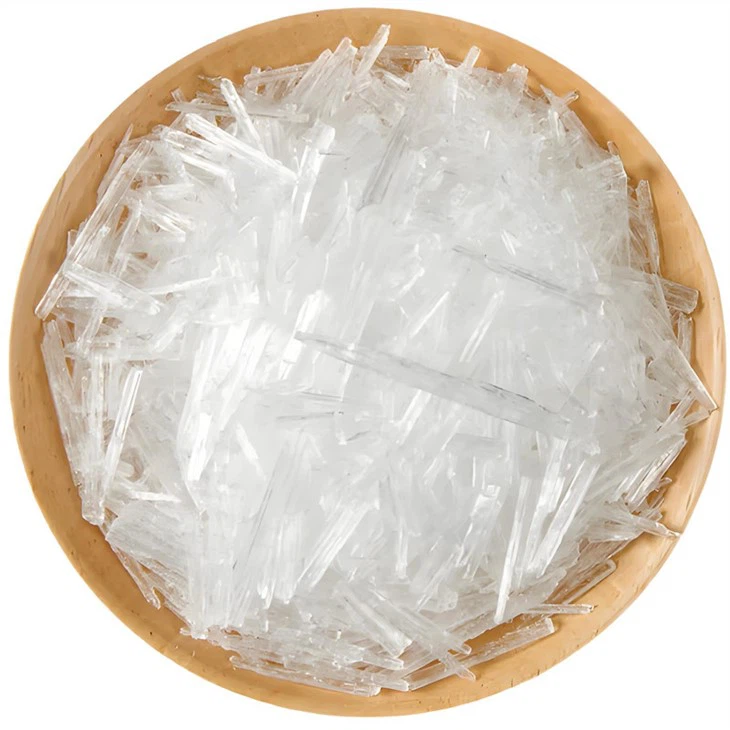
For those interested in related chemical products, we also have links to some great options. Check out Manufacturer Supply 99% Propyl - d7 Alcohol CAS 71 - 23 - 8 and China Factory Supply 99% Ethylene Glycol CAS 107 - 21 - 1 and China Factory Supply DL - Menthol CAS 89 - 78 - 1. These might be useful in combination with 1 - Propanol in different bio - insect repellent formulations.
If you're in the bio - insect repellents business and looking for a reliable 1 - Propanol supplier, you've come to the right place. I'm here to offer high - quality 1 - Propanol that meets all the industry standards. Whether you're a small - scale manufacturer or a big player in the market, we can work together to meet your needs. Contact me to start the procurement process and let's get down to business.

References:
- "Handbook of Solvents"
- "Insect Repellents: Principles, Methods, and Uses"


