


C4H10O represents a group of isomeric compounds with the molecular formula indicating four carbon atoms, ten hydrogen atoms, and one oxygen atom. These compounds include butanols (n - butanol, isobutanol, sec - butanol, and tert - butanol) and ethers such as methyl propyl ether and diethyl ether. In the food industry, these C4H10O - based compounds have a variety of applications, which I'll delve into as a C4H10O supplier.
Flavor and Fragrance Enhancement
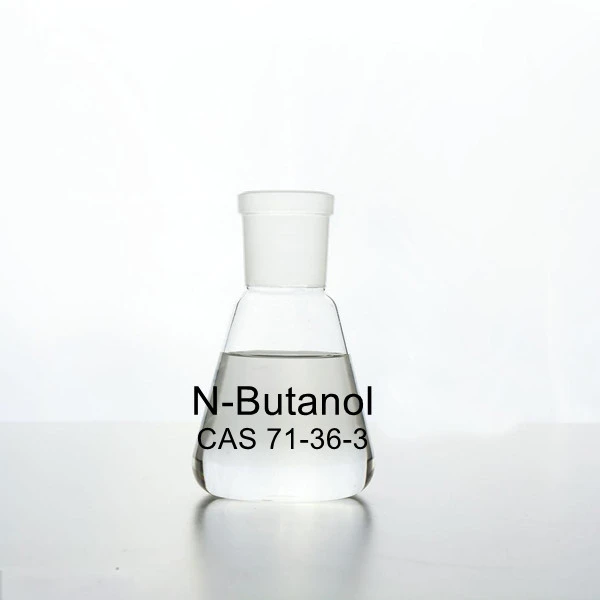
One of the most prominent applications of C4H10O compounds in the food industry is in flavor and fragrance development. For instance, n - butanol, which can be found in our Manufacturer Supply 99% N - Butanol CAS 71 - 36 - 3, has a characteristic sweet, banana - like odor and a slightly bitter taste. It is often used in the formulation of artificial fruit flavors, especially those mimicking bananas, apples, and pears. When added in small, carefully measured amounts, it can enhance the authenticity and intensity of these fruit flavors, making the final food product more appealing to consumers.
Isobutanol also plays a crucial role in flavor creation. It has a pungent, alcoholic odor with a sweet undertone. In the food industry, it is used to add a unique note to certain types of cheeses, bread, and beer. For example, in some artisanal breads, a small amount of isobutanol can contribute to the complex flavor profile, giving the bread a more robust and full - bodied taste.
2 - Methyl - 1 - butanol, available in our 99% 2 - Methyl - 1 - butanol CAS 137 - 32 - 6, has a pleasant, fruity, and wine - like aroma. It is commonly used in the production of wine - flavored candies, liqueurs, and some high - end fruit juices. Its presence can enhance the overall sensory experience of these products, making them more enjoyable to consume.
Solvent Properties
C4H10O compounds, especially the butanols, possess excellent solvent properties. In the food industry, they are used as solvents for various food - related substances. For example, they can be used to dissolve flavoring agents, colorants, and antioxidants. This is important because it allows for the even distribution of these additives throughout the food product.
Ethylene glycol, which can be found in our Hot Selling 99% Ethylene Glycol CAS 107 - 21 - 1, is also used as a solvent in some food applications. It has a high boiling point and good solubility for many organic compounds. In the production of certain food extracts, ethylene glycol can be used to extract and dissolve the desired flavor and aroma compounds from natural sources such as herbs and spices. Once the extraction is complete, the ethylene glycol can be removed through appropriate purification processes, leaving behind a concentrated and pure food extract.
Preservation and Shelf - Life Extension
Some C4H10O compounds have antimicrobial properties, which can be beneficial in the food industry for preservation and shelf - life extension. For example, certain ethers derived from C4H10O can inhibit the growth of bacteria and fungi. This can be particularly useful in the preservation of perishable food products such as fresh fruits and vegetables.
In addition, butanols can also act as preservatives to some extent. They can slow down the oxidation process in food products, which helps to prevent the development of off - flavors and rancidity. This is especially important for fatty foods such as oils, nuts, and meat products. By using C4H10O - based compounds as preservatives, food manufacturers can reduce the need for synthetic preservatives, which may be less appealing to health - conscious consumers.
Emulsification and Stabilization
In the food industry, emulsions are common, such as in salad dressings, mayonnaise, and ice cream. C4H10O compounds can be used as emulsifiers and stabilizers. For example, some butanol - based compounds can help to keep oil and water phases in an emulsion from separating. They do this by reducing the surface tension between the two phases, allowing them to mix more uniformly.
In ice cream production, C4H10O compounds can also act as stabilizers. They can prevent the formation of large ice crystals, which can give ice cream a grainy texture. By using these compounds, ice cream manufacturers can produce a smoother, creamier product with a better mouthfeel.
Quality Control and Standardization
As a C4H10O supplier, we understand the importance of quality control and standardization in the food industry. All of our products, including those mentioned above, are produced under strict quality control measures. We ensure that the purity of our C4H10O compounds meets the highest industry standards. This is crucial because even small impurities in these compounds can have a significant impact on the flavor, safety, and quality of the final food product.
We also provide detailed product specifications and analytical data to our customers. This allows food manufacturers to accurately measure and use our products in their formulations, ensuring consistent quality across different batches of food products.
Regulatory Considerations
It's important to note that the use of C4H10O compounds in the food industry is subject to strict regulatory requirements. These compounds must meet the safety standards set by regulatory authorities such as the Food and Drug Administration (FDA) in the United States and the European Food Safety Authority (EFSA) in Europe.
As a responsible supplier, we ensure that all of our products comply with these regulations. We conduct extensive safety testing on our C4H10O compounds to ensure that they are safe for use in food applications. We also provide our customers with the necessary documentation and certificates to demonstrate compliance with regulatory requirements.
Conclusion
In conclusion, C4H10O compounds have a wide range of applications in the food industry, from flavor and fragrance enhancement to preservation, emulsification, and quality control. As a C4H10O supplier, we are committed to providing high - quality products that meet the diverse needs of the food industry.
If you are a food manufacturer or involved in the food industry and are interested in using our C4H10O products, we invite you to contact us for more information and to discuss your specific requirements. We are ready to work with you to provide the best solutions for your food production needs.
References
- "Food Flavors and Their Chemical Constituents" by John P. Clarke
- "Food Chemistry" by Owen R. Fennema
- Regulatory guidelines from the Food and Drug Administration (FDA)
- European Food Safety Authority (EFSA) reports on food additives


